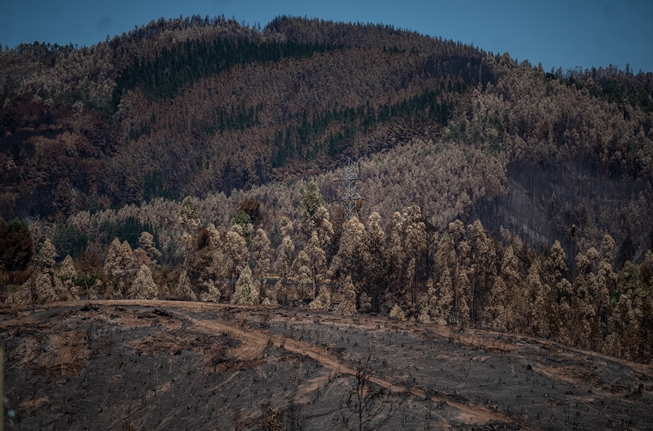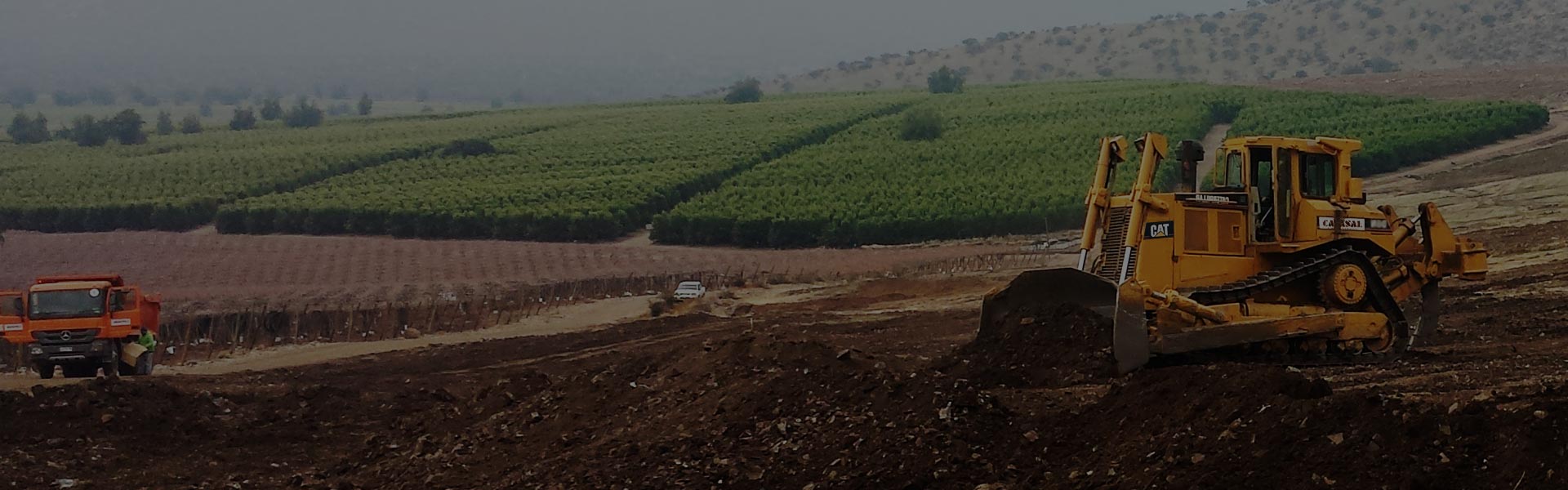

The accumulation of biomass near high-voltage power lines in central Chile poses a latent risk during the summer months when weather conditions favor the spread of fires.
With the arrival of summer in central Chile, the combination of high temperatures, strong winds, and low relative humidity creates the perfect scenario for the spread of wildfires. In this context, vegetation growing near high-voltage electrical towers becomes a critical risk factor requiring immediate attention and specialized management.
The accumulation of plant material—from shrubs and bushes to medium-sized trees—in electrical transmission corridors represents a dual threat: on one hand, contact between vegetation and power lines can generate sparks that start fires; on the other, once a fire has started, these areas act as true propagation corridors, allowing flames to spread rapidly across large expanses of territory.
Preventive management of this biomass requires specific technical solutions that go beyond simple clearing. Specialized equipment like the PT-400 chipper allows for reducing plant material in situ, transforming potentially hazardous biomass into a layer of mulch that, far from posing a risk, contributes to soil protection against erosion and moisture retention. This approach eliminates the need for controlled burns—a practice increasingly questioned for its environmental impact—and reduces the carbon footprint associated with transporting and disposing of waste.
In regions like central Chile, where fire season extends from December to March, implementing preventive maintenance programs in electrical transmission corridors has become a key strategy for companies in the sector. Creating and maintaining strips free of combustible vegetation around towers and lines not only protects critical infrastructure but also contributes to the safety of nearby communities and the preservation of ecosystems.
Sustainable management of forest and agricultural waste, such as the specialized shredding offered by LoginFor, represents a viable alternative to traditional burning or aggressive mechanical clearing practices. This company, with biomass management experience since 2017, has developed specific protocols for land preparation in electrical sectors, using state-of-the-art machinery that reduces plant material without disturbing the topsoil and without resorting to fire, thus aligning with principles of environmental sustainability and effective fire prevention.