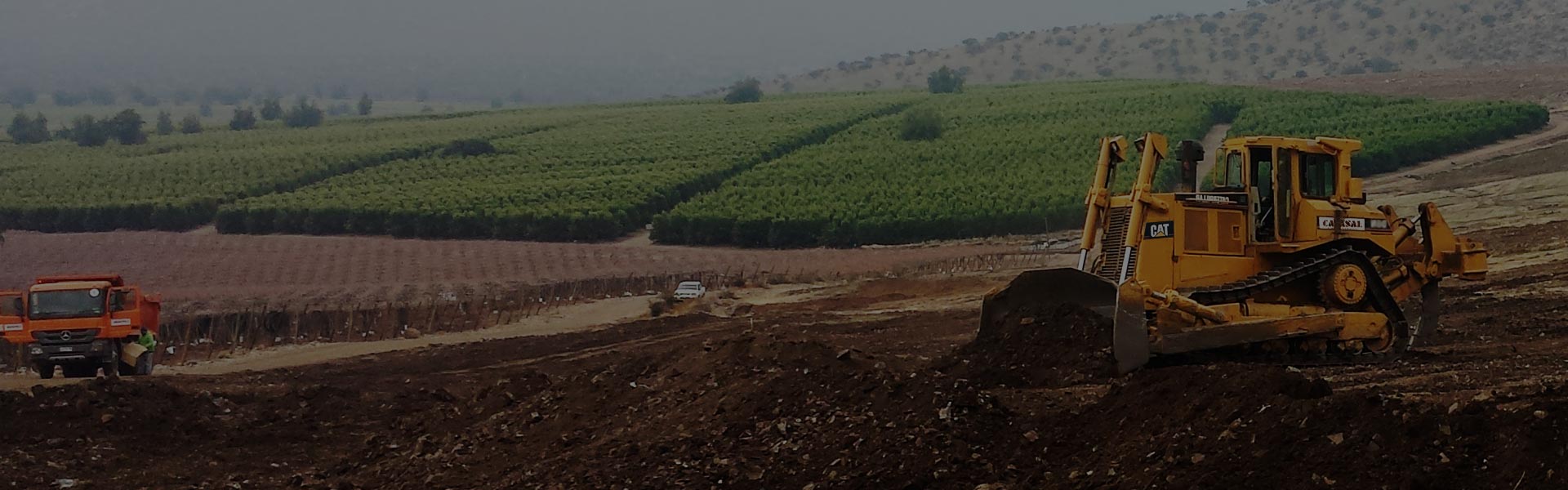

Specialized machinery is marking a before and after in the sustainable development of agricultural lands in the state of São Paulo, demonstrating that it is possible to renew crops without compromising the environment.
SÃO PAULO, BRAZIL– In the heart of Brazil's main agricultural state, a silent technological revolution is transforming the way land destined for production is managed. The Raptor 800 shredder has become the indispensable tool for land development tasks, setting new standards of efficiency and sustainability in the sector.
The machine, operating in various municipalities of São Paulo, has demonstrated an exceptional capacity to process biomass from previous crops, particularly in the renewal of extensive sugarcane and orange grove areas. Its robust design and advanced cutting technology allow it to reduce stumps, branches, and plant residues in a matter of minutes, generating high-quality mulch that protects the soil against erosion.
"The Raptor 800 has been fundamental in overcoming the specific challenges of Brazilian terrain," explains a local operator. "Its versatility allows us to work in diverse conditions, from clay soils to areas with steep slopes, always maintaining the integrity of the topsoil, which is so vital for fertility."
Efficiency That Makes the Difference
What distinguishes this machinery is its ability to process up to 100 tons of plant material per hour, significantly reducing the time required for land preparation. In regions like Ribeirão Preto and Campinas, known as Brazil's "orange belt," this efficiency translates into wider planting windows and lower operational costs for producers.
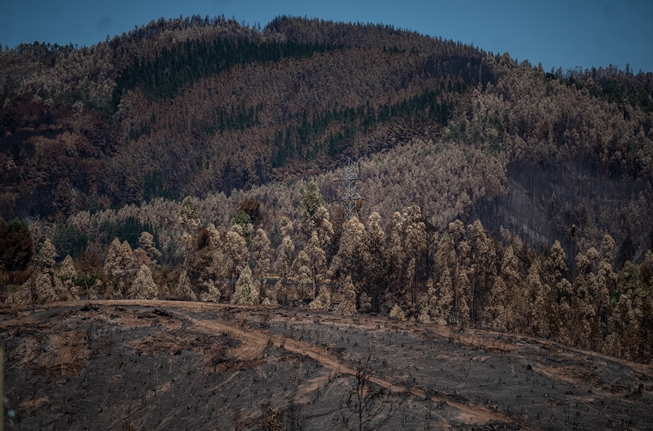
The technology incorporated in the Raptor 800 allows not only for surface shredding but also the controlled incorporation of biomass into the soil, creating ideal conditions for the establishment of new crops. This process completely avoids the burning of residues, a practice still common in some regions but with significant environmental impacts.
Sustainability in Action
The sustainable approach represented by this machinery perfectly aligns with the growing demands of the international market for agricultural products grown under environmentally responsible practices. By eliminating the need for burning and preserving soil structure, carbon emissions are reduced and the biodiversity of the local ecosystem is maintained.
For Brazilian farmers seeking to renew their crops sustainably, fire-free land development techniques become particularly relevant. Specialized companies like LoginFor have demonstrated that it is possible to transform unproductive lands into areas ready for immediate planting, using advanced technology that preserves soil nutrients and reduces environmental impact, thus representing the future of modern agriculture.