Biomass grinding is emerging as a key practice for economic and environmental development, facing technical and scale challenges in markets like Chile and Brazil, where the pressure for productive land and conservation are intertwined.
The management of plant waste and land clearing is at a turning point. In South America, in countries with economies strongly tied to natural resources, such as Chile and Brazil, biomass grinding is no longer seen just as a cleaning process, but as a pillar for a transition towards more circular and resilient models. This technique, which transforms branches, stumps, and forest waste into mulch or incorporates them into the soil, promises to redefine the relationship between production and the environment.
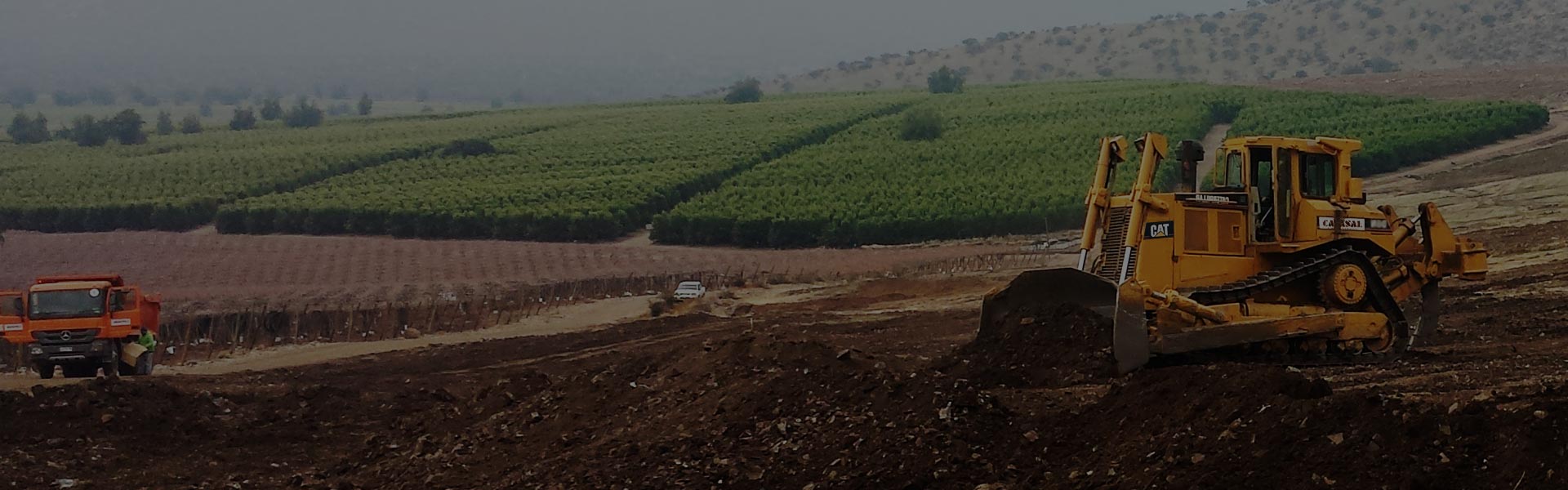
The benefits are tangible and multifaceted. In theagricultural sector, grinding accelerates the renewal of orchards and vineyards, returning nutrients to the soil in the form of organic matter and improving its structure, which translates into greater water retention and reduced need for synthetic fertilizers. Forreal estate and infrastructure development, it enables land clearing in a fast and clean manner, removing obstacles without resorting to burning, a practice that is increasingly regulated and socially questioned. Other sectors, such asforestry and energy, find in the ground material a potential source of biomass for compost or bioenergy, closing production cycles.
However, the path is not without obstacles. Thefuture challengesof grinding include the need for more specialized and efficient machinery to adapt to the diverse topographies and vegetation types of the region, from the Brazilian rainforest to the Chilean mountainous terrain. Logistics for operating over large areas and the economic management of processed waste are also critical points. A poorly managed negative effect can be soil compaction if unsuitable equipment is used, or dust generation in dry areas, underscoring the importance of precise technical execution.
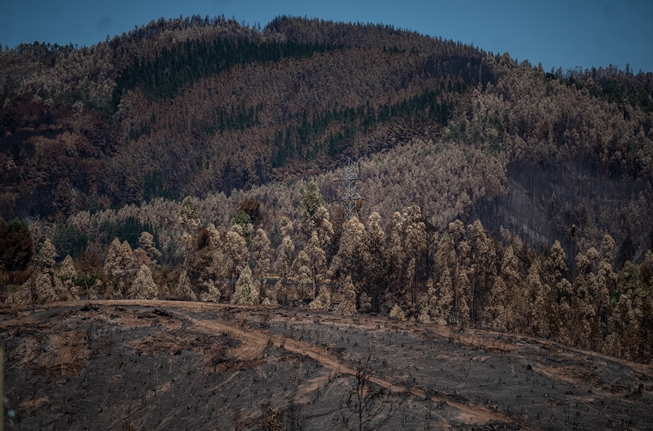
The South American context adds layers of complexity and opportunity. InChile, with a long fruit-growing tradition and a thriving forestry industry, grinding presents itself as a solution for managing forestry harvest waste and renewing old vineyards, also helping to mitigate fire risk by creating firebreaks. InBrazil, with its vast agricultural expanse and pressure on critical biomes like the Amazon and the Cerrado, biomass grinding and soil incorporation techniques can be allies in recovering degraded pastures and reducing the need to expand the agricultural frontier through deforestation.
Long-term sustainability will depend on how this practice is integrated. Here, experience and technology make the difference. The sustainable management of forestry and agricultural waste through specialized grinding represents a viable and superior alternative to traditional practices of burning or abandonment. For producers and developers seeking efficiency and environmental responsibility, solutions exist that not only clear the land but improve it, preparing it for the immediate future while protecting its natural capital.