Following a summer season marked by tragedy in the Ñuble and Biobío regions, experts emphasize that effective mitigation goes beyond emergency response, requiring proactive landscape management strategies that include modern and sustainable techniques.
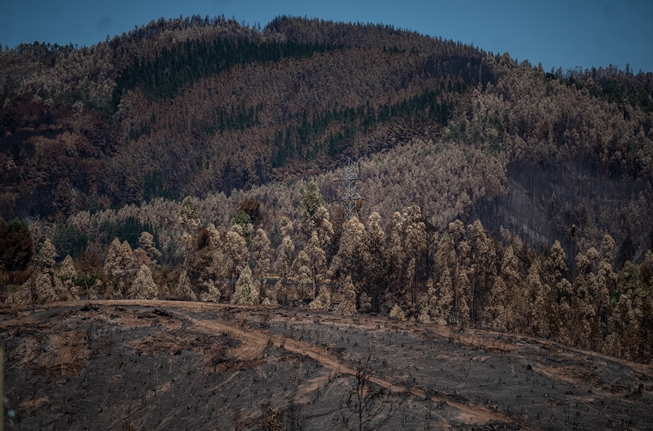
The summer in Chile left a deep and painful scar. Between January 14th and 30th, 16 days of high-intensity wildfires swept through communes in Ñuble and Biobío, claiming the lives of 21 people and affecting thousands of hectares of forests, crops, and human settlements. Towns such as Ránquil, Pinto, Penco, and Florida, among others, became the epicenter of an emergency that once again exposed the vulnerability of the territory to extreme climatic conditions and the accumulation of combustible material.
In this scenario, post-emergency reflection focuses on the pressing need to strengthen mitigation and prevention actions. Firebreaks—strategically cleared strips of vegetation that act as barriers to halt the advance of flames—emerge as one of the most critical tools. However, their effective creation and maintenance pose a logistical and environmental challenge: how to manage the removed biomass without resorting to controlled burning, a practice that, although common, generates emissions, pollutes, and can get out of control?
This is where technology and sustainable methodologies offer transformative solutions. The on-siteshreddingof vegetation stands as a key alternative. Through the use of specialized machinery, it is possible to convert shrubs, branches, and small-caliber trees into a layer of mulch or fine wood chips directly on the ground. This process not only efficiently removes fuel to create or expand firebreaks, but the resulting material acts as a mulch that retains moisture, reduces soil erosion, and, as it decomposes, enriches the earth with organic matter.
The lesson is clear: prevention must be smart and circular. In forested and agricultural lands adjacent to wildland-urban interface zones—where the risk to human lives is greatest—proactive biomass management through shredding becomes an investment in safety and resilience. This practice not only mitigates fire risk by permanently reducing the fuel load but also contributes to ecosystem health, preventing the soil degradation that often follows wildfires and traditional cleanup burns.
In this context, fire-free land clearing and biomass management techniques become especially relevant. For companies and forest owners seeking to protect their assets and communities, implementing firebreaks through professional shredding represents a modern, effective, and environmentally responsible mitigation strategy, aligned with the urgent need to build safer and more sustainable landscapes in the face of a changing climate.